
Henri Jeanson
Writing
Henri Jules Louis Jeanson (6 March 1900 in Paris – 6 November 1970 in Équemauville) was a French writer and journalist. He was a "satrap" in the "College of 'Pataphysics". Jeanson was born on 6 March 1900 in Paris. His father was a teacher. Before becoming a journalist, he had several casual jobs, including being depicted as a soldier on a good-luck card for a postcard seller, belying his future pacifism. In 1917, he started work for La Bataille, newspaper of the Confédération générale du travail. Noted for his strong writing, he was a journalist throughout the 1920s, with intervening stints as reporter, interviewer and film critic. He was distinguished by the potency of his style and a taste for polemic. Jeanson worked for several papers including the Journal du peuple, Hommes du Jour and the Canard enchaîné, where he defended complete pacifism. He resigned from the Canard enchaîné in 1937, in solidarity with Jean Galtier-Boissière. He was sentenced to 18 months in prison in July 1939, for publishing an article in Solidarité internationale antifasciste, a periodical founded in November 1938 by Louis Lecoin, in which he congratulated Herschel Grynszpan for his assassination of Ernst vom Rath, an official of the German embassy in Paris. He was arrested in November 1939, at which time he had already joined his regiment in Meaux, for articles which had appeared in March and August 1939, and for having signed Louis Lecoin's tract "Paix immédiate". On 20 December 1939, he was sentenced by a military tribunal to five years in prison for "calling for disobedience within the ranks". Jeanson was in prison for his pacifist writings, and this only a few days before the German army marched into Paris. His freedom was obtained by the lawyer and minister César Campinchi. He remained in Paris and in August 1940 was given the chief editorship of Aujourd'hui, an "independent" newspaper. The first issue went out on 10 September 1940. In November 1940, the German authorities pressured him to take a public position against the Jews and in favour of the politics of collaboration with the Vichy regime. Jeanson resigned and went back to prison. He was freed a few months later after the intervention of his friend Gaston Bergery, a neo-radical who had turned to the collaborationists through ultra-pacifism. From that point on he was banned from the press and the cinema, and worked secretly, writing film dialogues without putting his name to them. With Pierre Bénard, Jeanson participated in the development of secret pamphlets, and just missed being re-arrested in 1942. He continued to lie low until the liberation of France. His story is said to illustrate the contradictions and compromises of absolute pacifism: the willingness to seek an understanding with Germany to avoid war, transforming, after France's defeat, into a desire for proper coexistence, even offering to serve the Germans. The newspaper Aujourd'hui was far from being innocent in its hunting down those allegedly responsible for France's defeat, resorting to the "clean sweep of the broom" myth in its Anglophobia. The paper entered into resonance with Marshal Philippe Pétain's narrative, and took the direction of German propaganda. ... Source: Article "Henri Jeanson" from Wikipedia in English, licensed under CC-BY-SA 3.0.
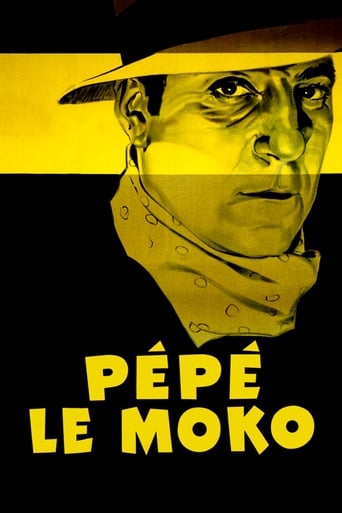
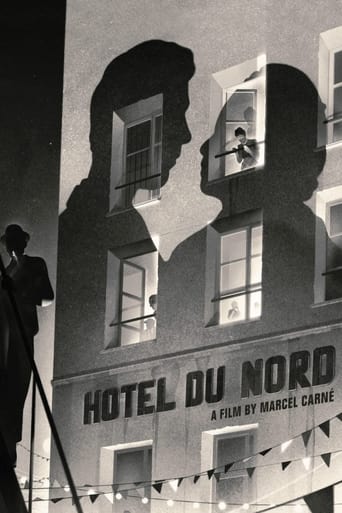
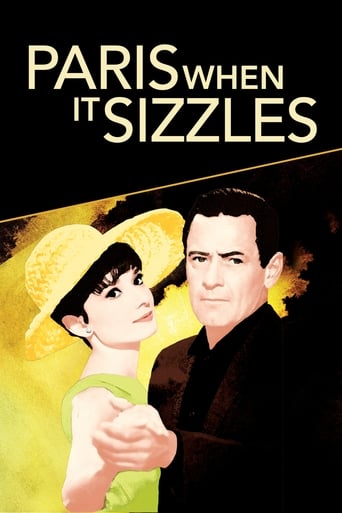
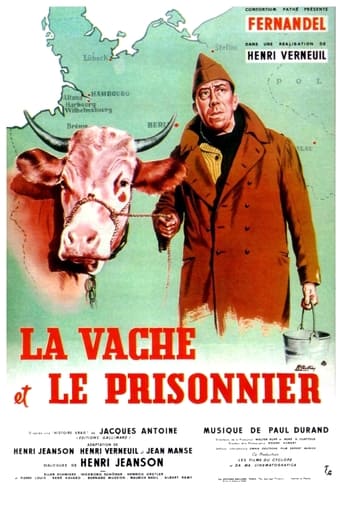

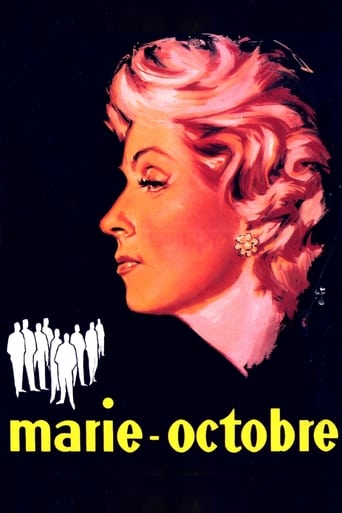
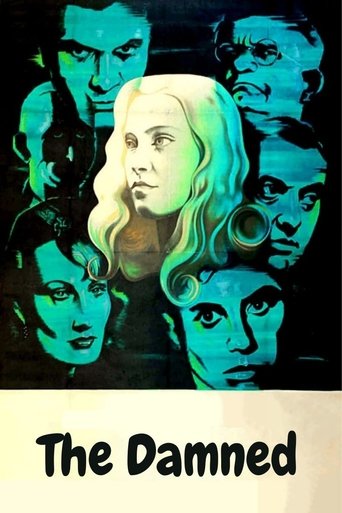
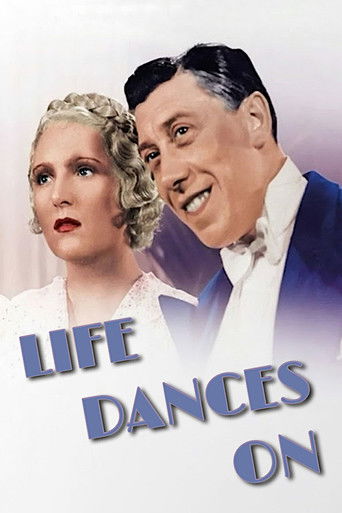
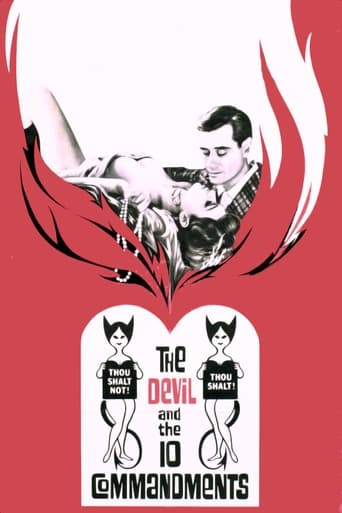
The Devil and the Ten Commandments
Dialogue
Age 62 (now 70)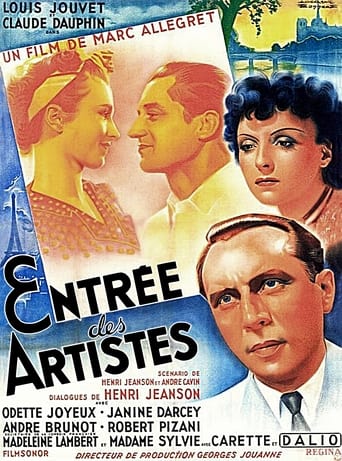

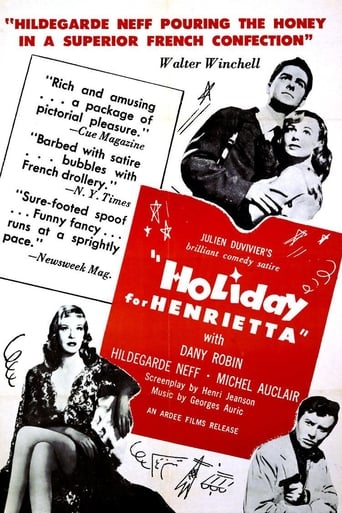
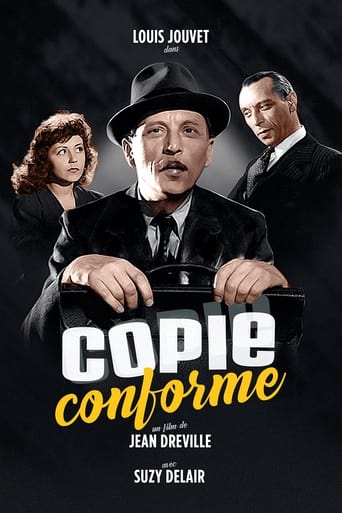
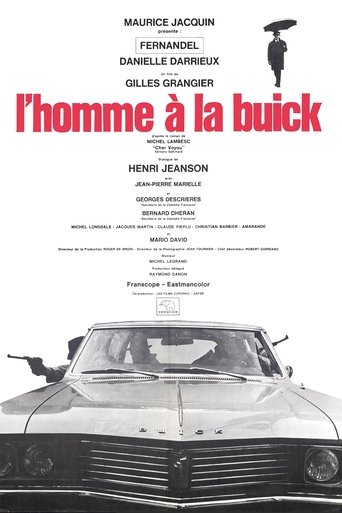
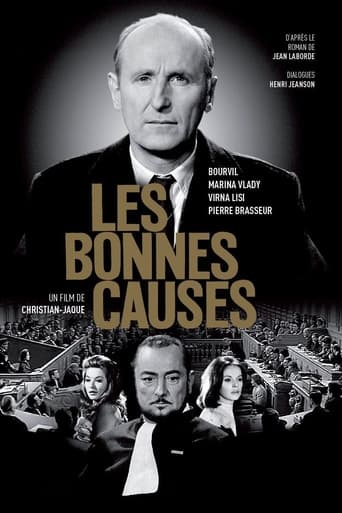

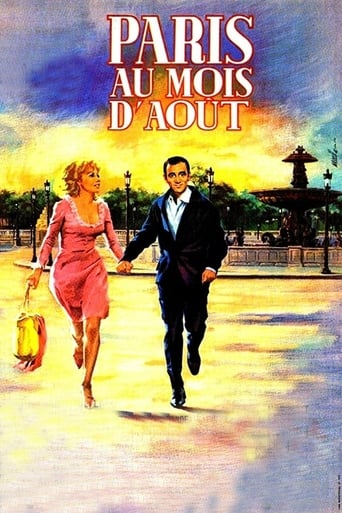
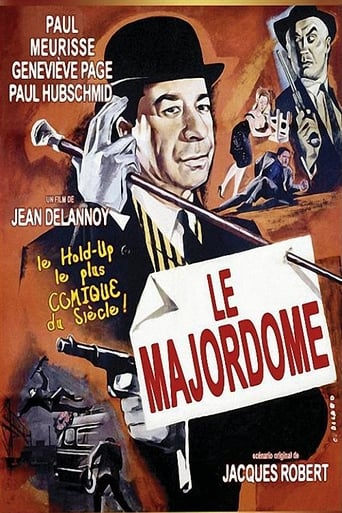
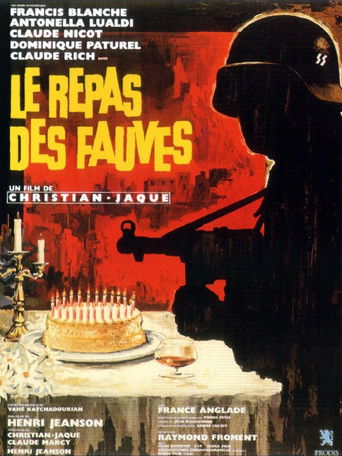
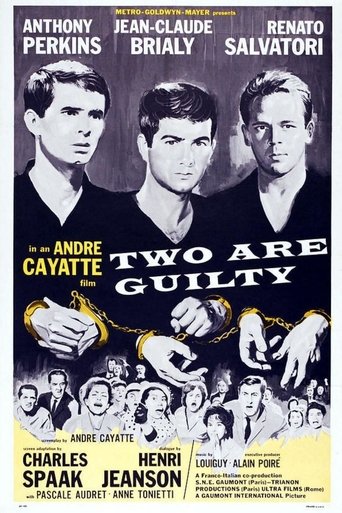
The Devil and the Ten Commandments
Dialogue
Age 62 (now 70)
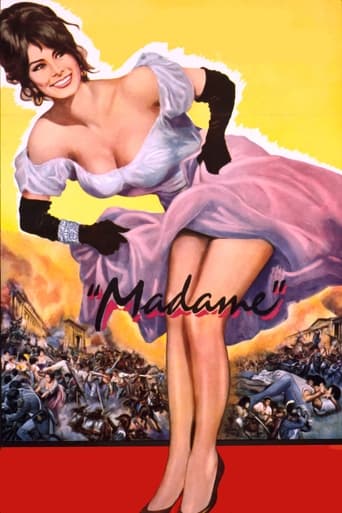
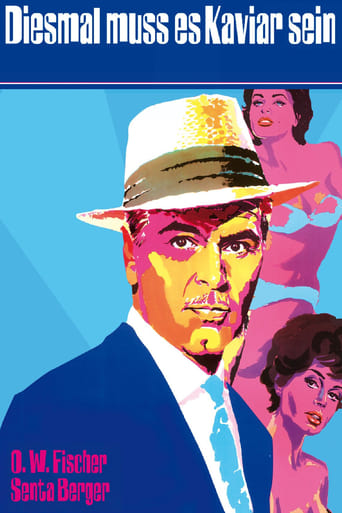
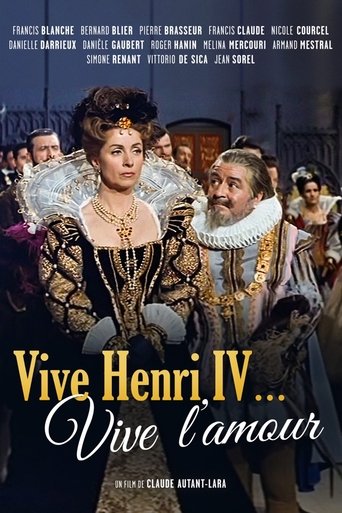
Long Live Henry IV... Long Live Love!
Writer
Age 61 (now 70)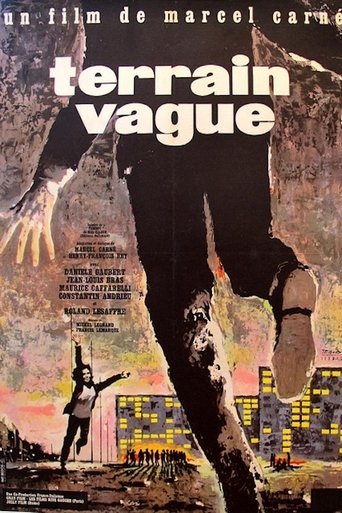
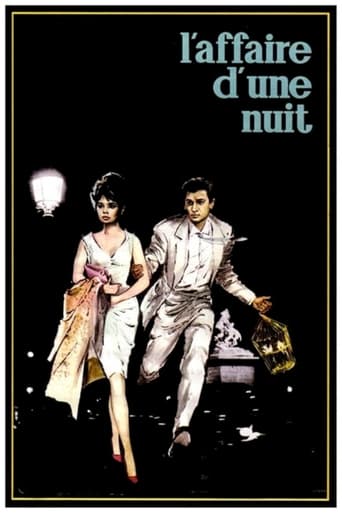
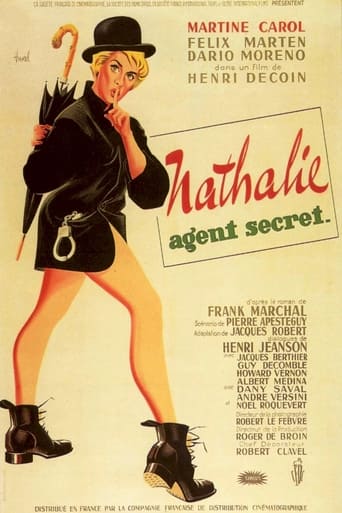
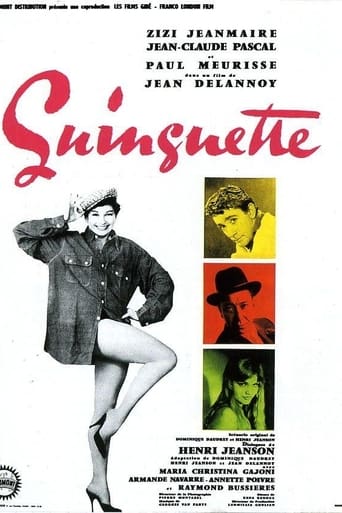
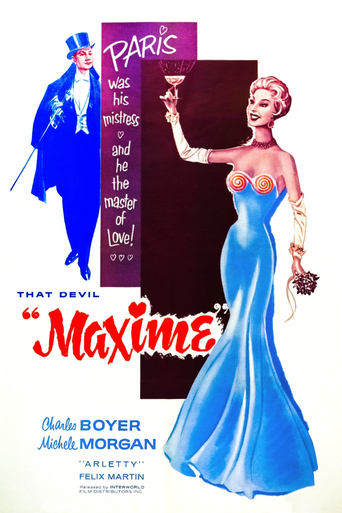

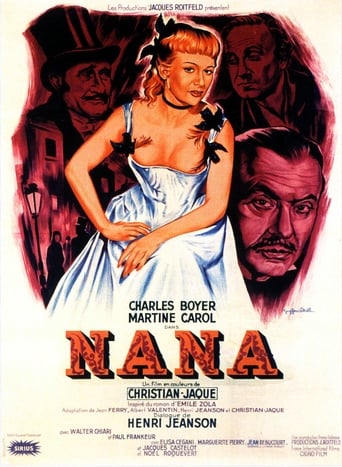
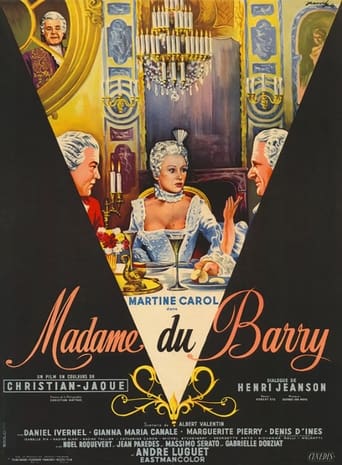
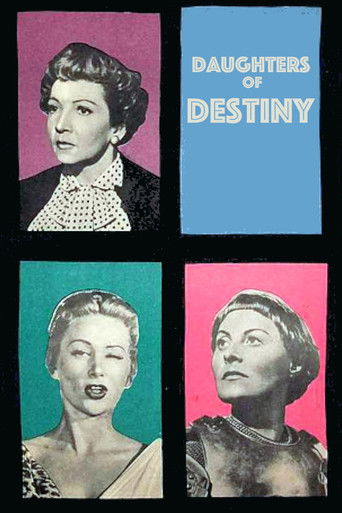

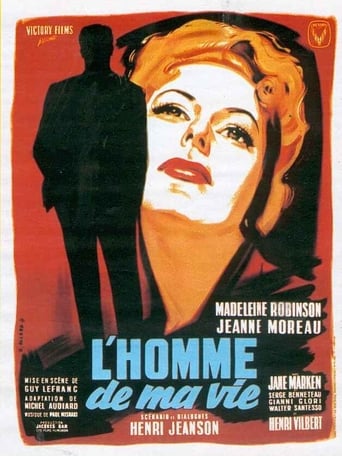

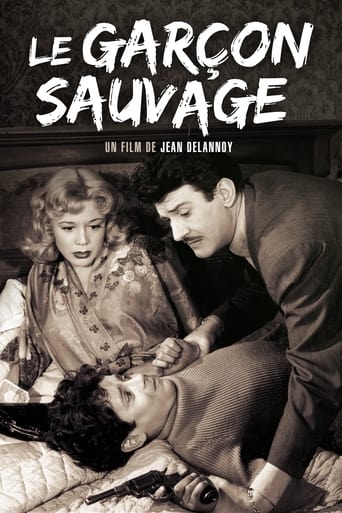

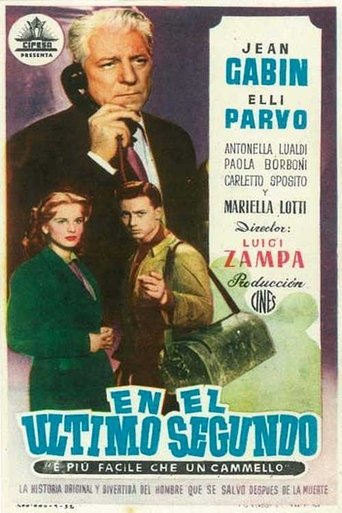
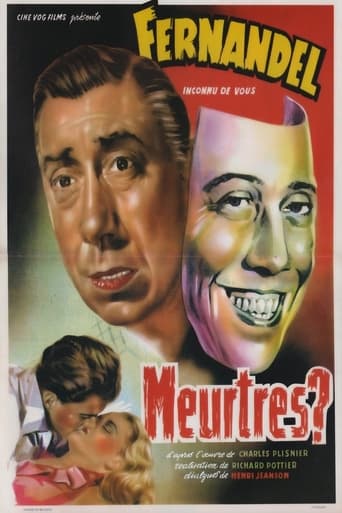
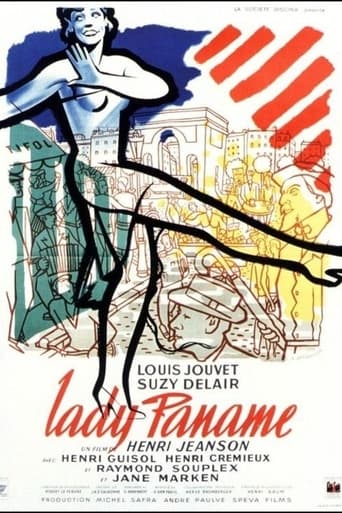
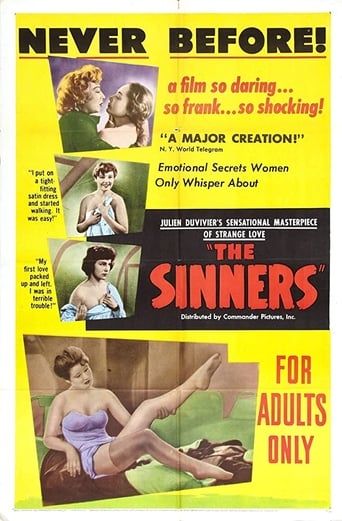
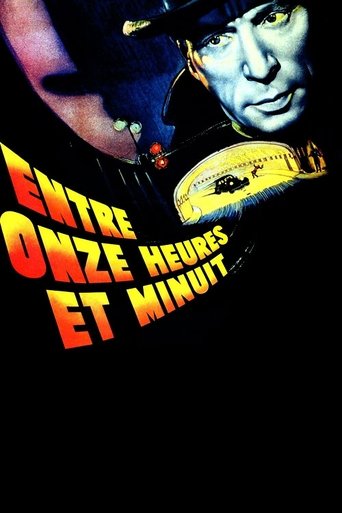
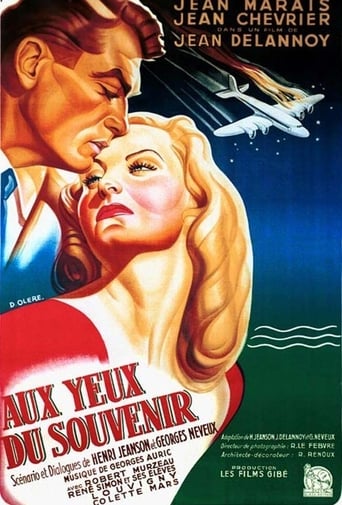
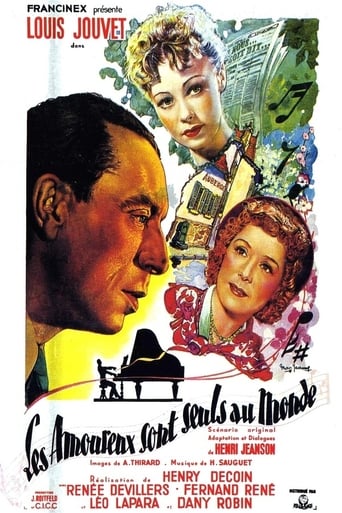
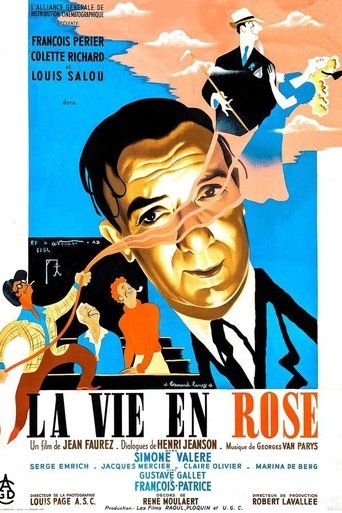
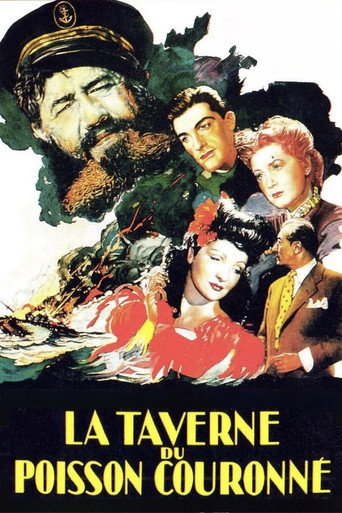
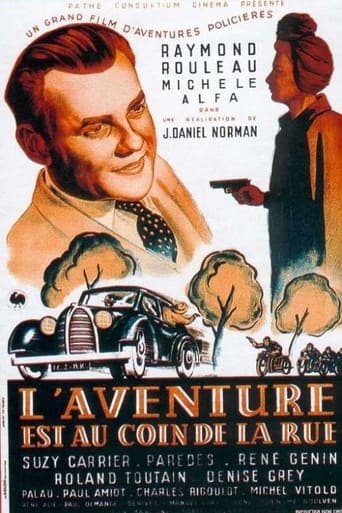
L'aventure est au coin de la rue
Screenplay
Age 43 (now 70)


Gathering insights...
Also Known As
Анри Жансон
IMDB
nm0419986