Karl Freund
Camera
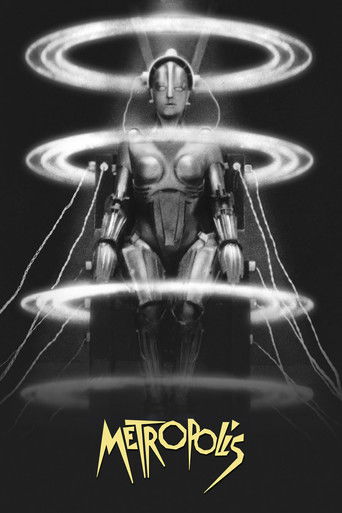
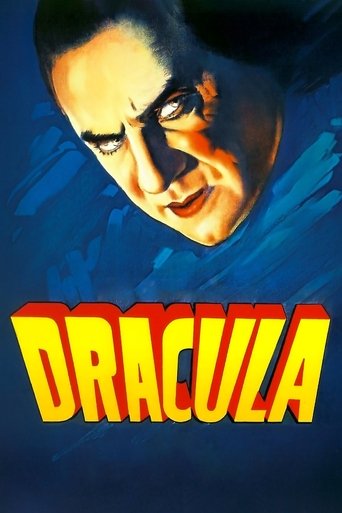
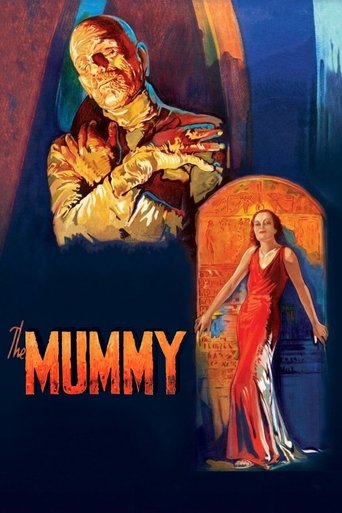
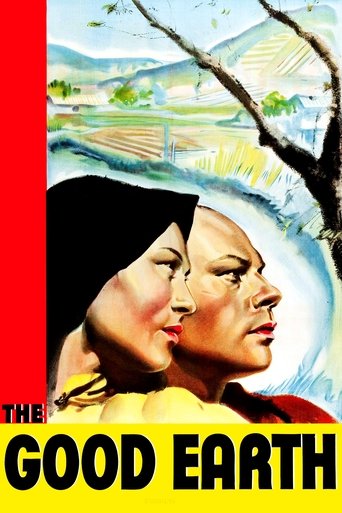
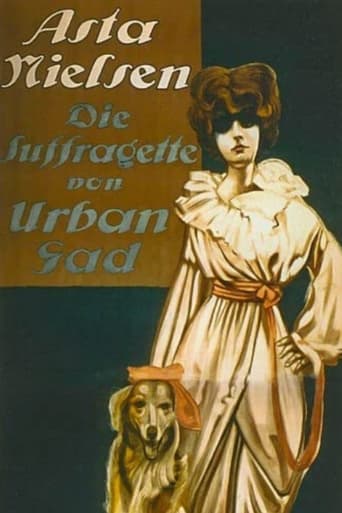
From Wikipedia, the free encyclopedia. Karl W. Freund, A.S.C. (January 16, 1890-May 3, 1969) was a cinematographer and film director. Born in Dvůr Králové (Königinhof), Bohemia, his career began in 1905 when, at age 15, he got a job as an assistant projectionist for a film company in Berlin where his family moved in 1901. He worked as a cinematographer on over 100 films, including the German Expressionist films The Golem (1920), The Last Laugh (1924) and Metropolis (1927). Freund emigrated to the United States in 1929 where he continued to shoot well remembered films such as Dracula (1931) and Key Largo (1948). He won an Academy Award for Best Cinematography for The Good Earth (1937). In 1937, he went to Germany to bring his only daughter, Gerda Maria Freund, back to the United States, saving her from almost certain death in the concentration camps. Karl's ex-wife, Susette Freund (née Liepmannssohn), remained in Germany where she was interned at the Ravensbrück concentration camp and eventually taken in March, 1942 to Bernburg Euthanasia Center where she was murdered. Between 1921 and 1935, Freund also directed ten films, of which the best known are probably The Mummy (1932) starring Boris Karloff, and his last film as director, Mad Love (1935) starring Peter Lorre. Freund's only known film as an actor is Carl Dreyer's Michael (1924) in which he has a cameo as a sycophantic art dealer who saves the tobacco ashes dropped by a famous painter. At the beginning of the 1950s, he was persuaded by Desi Arnaz at Desilu to be the cinematographer in 1951 for the televisions series I Love Lucy. Critics have credited Freund for the show's lustrous black and white cinematography, but more importantly, Freund designed the "flat lighting" system for shooting sitcoms that is still in use today. This system covers the set in light, thus eliminating shadows and allowing the use of three moving cameras without having to modify the lighting in-between shots. And where Freund did not invent the three camera shooting system, he did perfect it for use with film cameras in front of a live audience. Freund and his production team also worked on other sitcoms produced at/through Desilu such as "Our Miss Brooks". Description above from the Wikipedia article Karl Freund, licensed under CC-BY-SA, full list of contributors on Wikipedia.

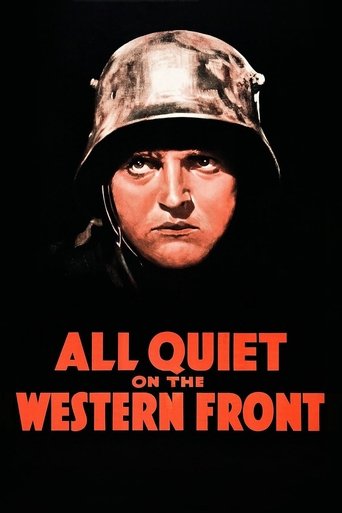
All Quiet on the Western Front
Director of Photography
Age 40 (now 79)
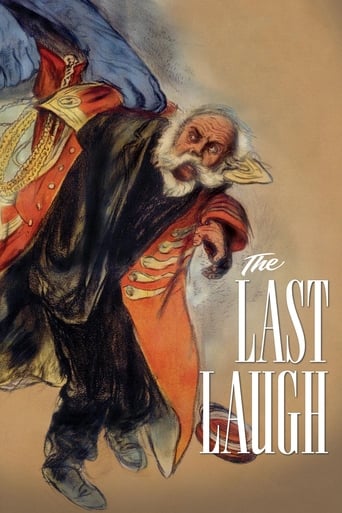
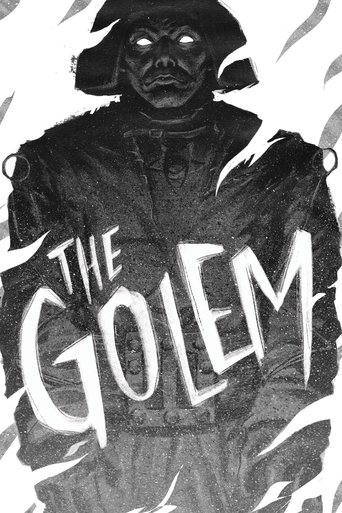
The Golem: How He Came into the World
Director of Photography
Age 30 (now 79)
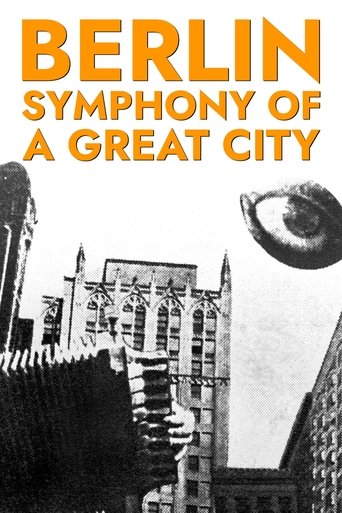
Berlin: Symphony of a Great City
Director of Photography
Age 37 (now 79)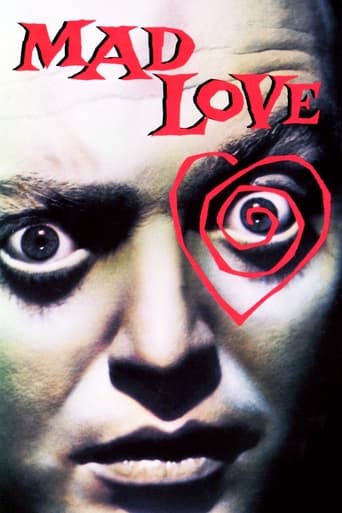



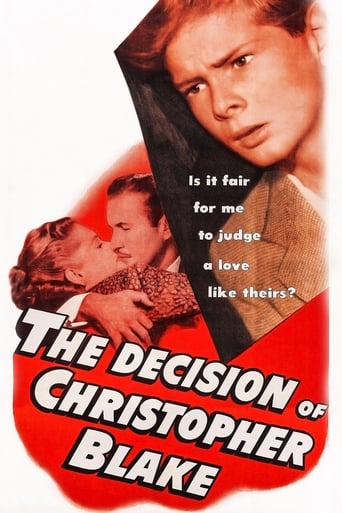
The Decision of Christopher Blake
Director of Photography
Age 58 (now 79)





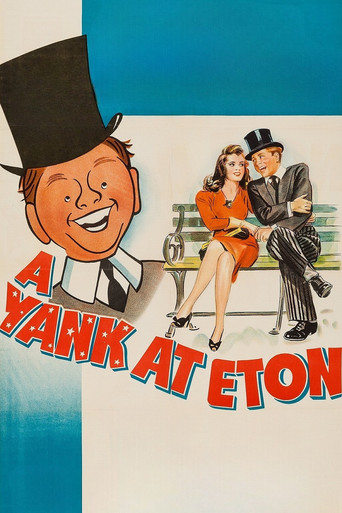
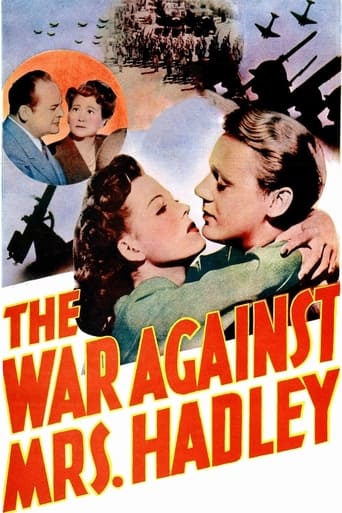
The War Against Mrs. Hadley
Director of Photography
Age 52 (now 79)
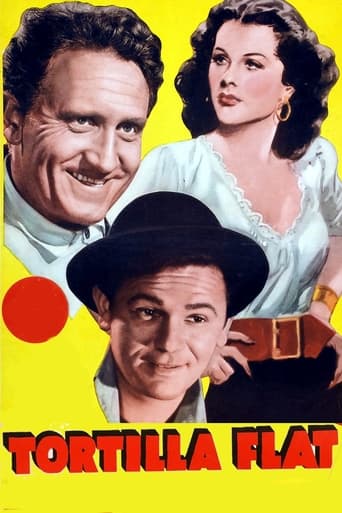
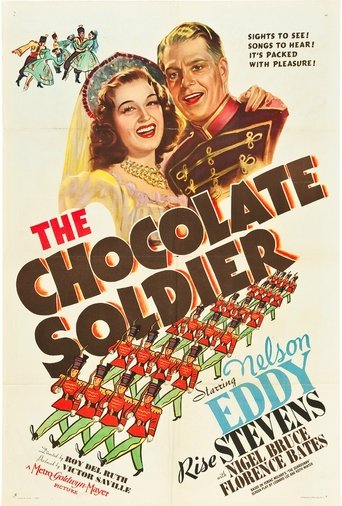



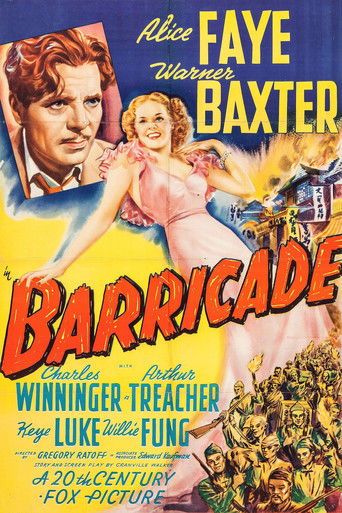
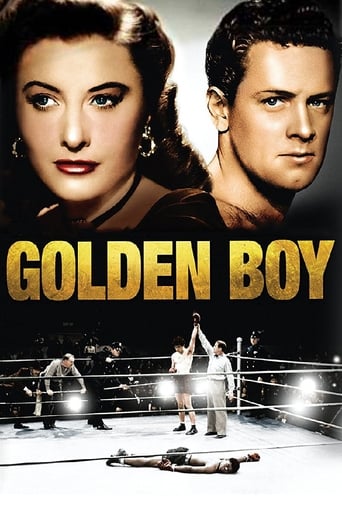
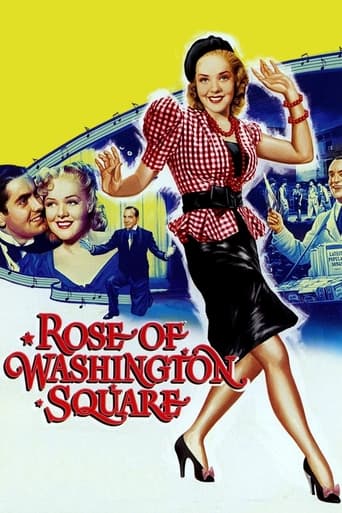
Rose of Washington Square
Director of Photography
Age 49 (now 79)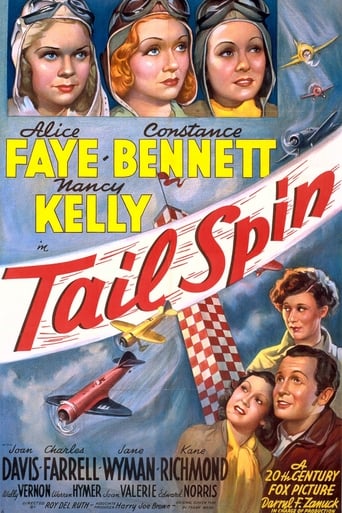



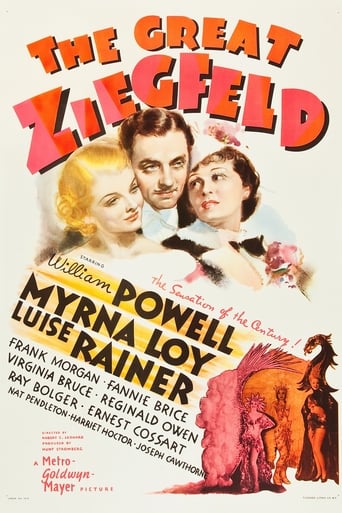
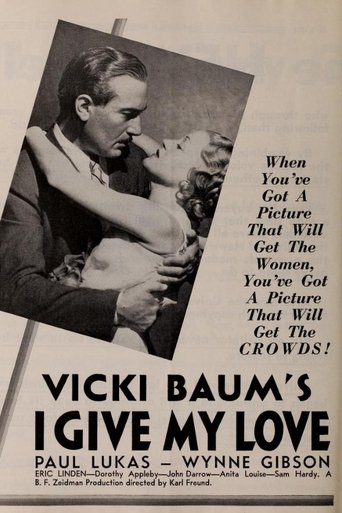
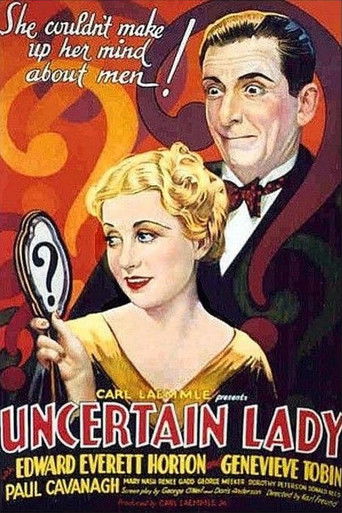


The Kiss Before the Mirror
Director of Photography
Age 43 (now 79)


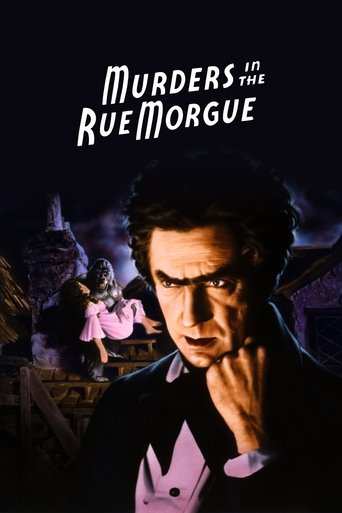
Murders in the Rue Morgue
Director of Photography
Age 42 (now 79)
All Quiet on the Western Front
Director of Photography
Age 40 (now 79)



Berlin: Symphony of a Great City
Director of Photography
Age 37 (now 79)
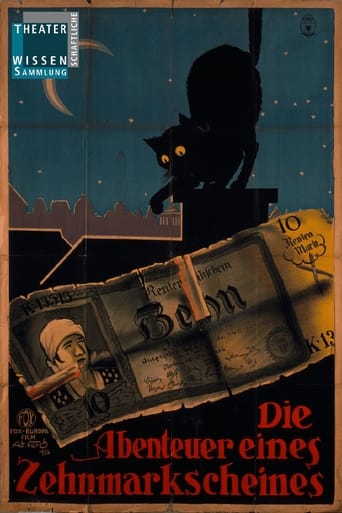
Adventures of a Ten Mark Note
Production Supervisor
Age 36 (now 79)
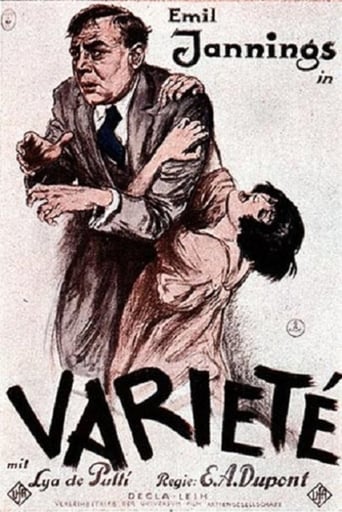

The Finances of the Grand Duke
Director of Photography
Age 33 (now 79)Der Tiger des Zirkus Farini
Director of Photography
Age 33 (now 79)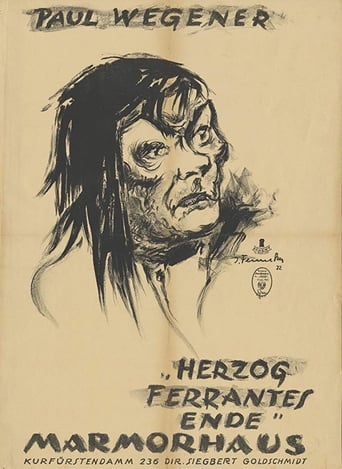


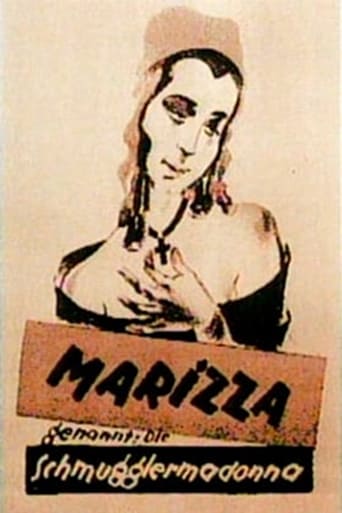
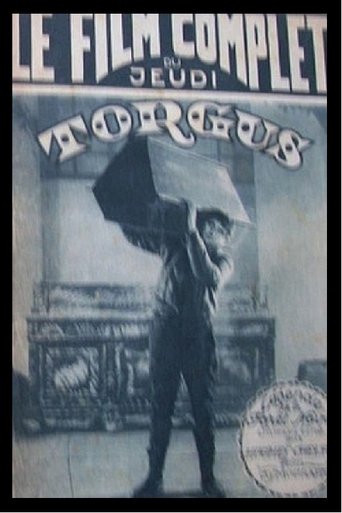
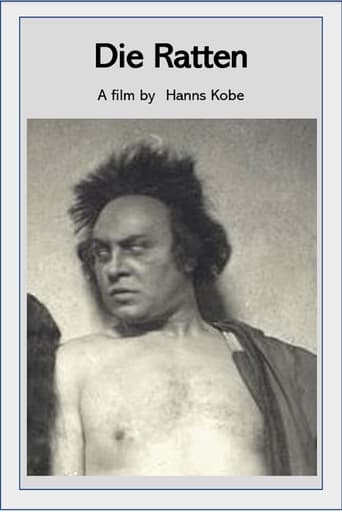
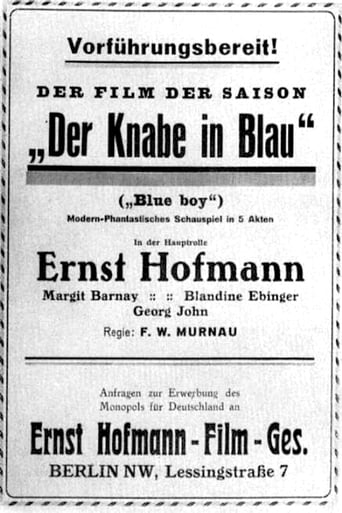

The Golem: How He Came into the World
Director of Photography
Age 30 (now 79)Panic in the House of Ardon
Director of Photography
Age 30 (now 79)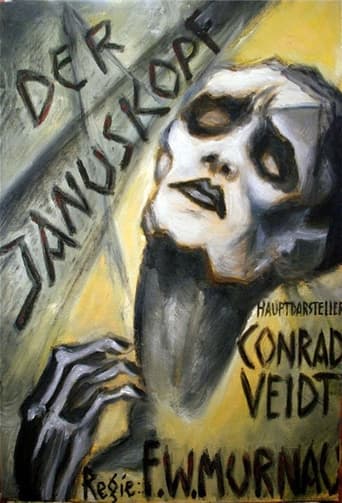
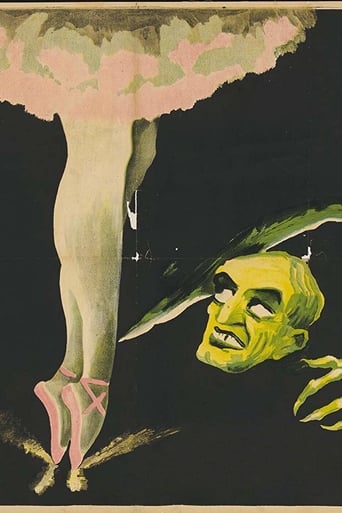
The Hunchback and the Dancer
Director of Photography
Age 30 (now 79)Die Nacht auf Goldenhall
Director of Photography
Age 30 (now 79)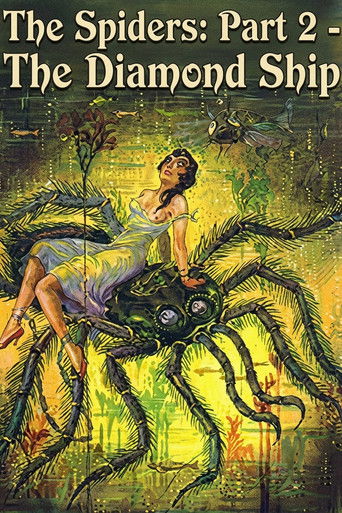
The Spiders: Part 2 - The Diamond Ship
Director of Photography
Age 30 (now 79)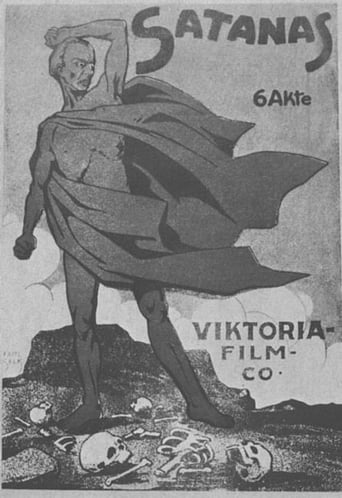
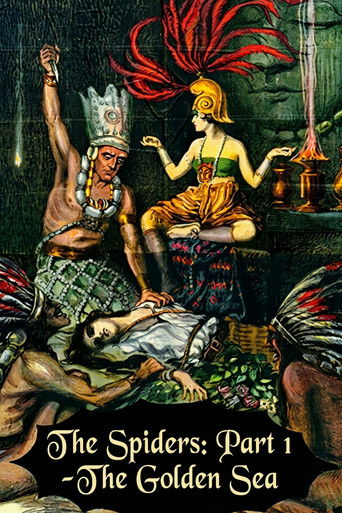
The Spiders: Part 1 - The Golden Sea
Director of Photography
Age 29 (now 79)Die Arche. 2. Teil: Die letzten Menschen
Director of Photography
Age 29 (now 79)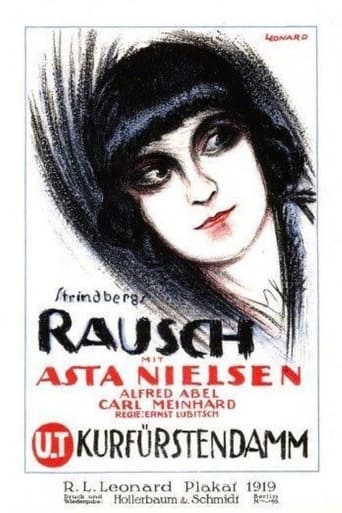
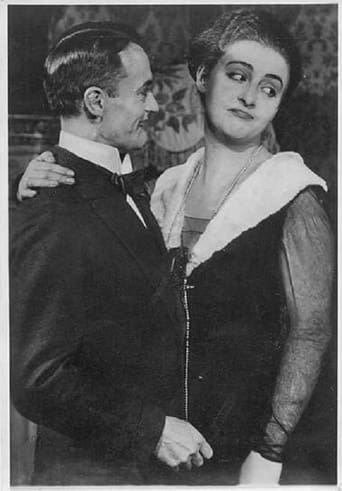
Die Dame, der Teufel und die Probiermamsell
Director of Photography
Age 28 (now 79)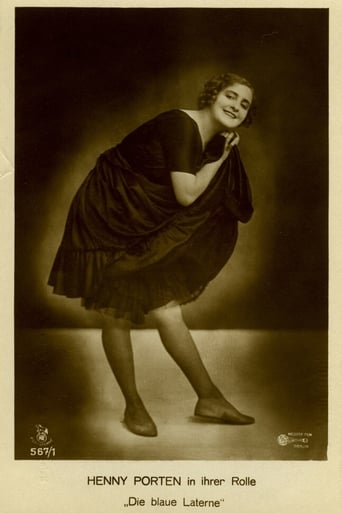
Die Heimkehr des Odysseus
Director of Photography
Age 28 (now 79)Das Maskenfest des Lebens
Director of Photography
Age 28 (now 79)Agnes Arnau und ihre drei Freier
Director of Photography
Age 28 (now 79)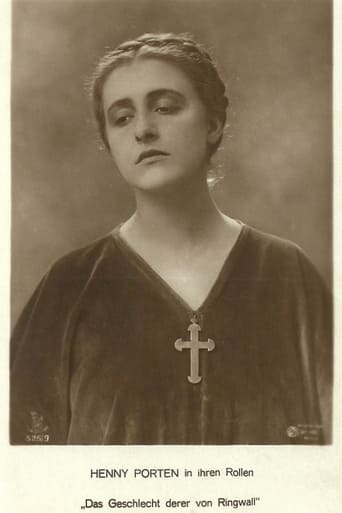
Das Geschlecht derer von Ringwall
Director of Photography
Age 28 (now 79)
Die Claudi vom Geiserhof
Director of Photography
Age 27 (now 79)
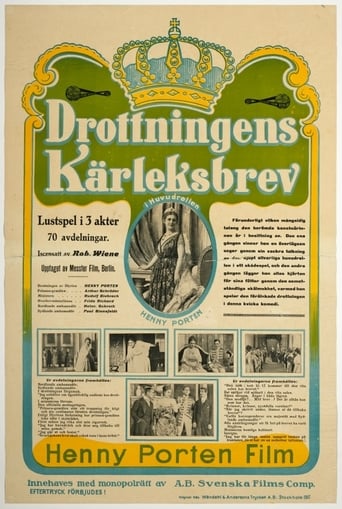
Der Liebesbrief der Königin
Director of Photography
Age 27 (now 79)
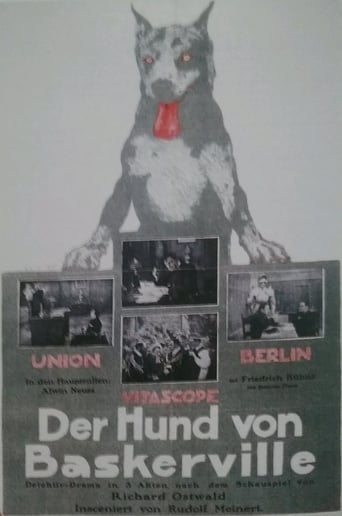
The Hound of the Baskervilles
Director of Photography
Age 24 (now 79)
Gathering insights...
Also Known As
Carl Freund, Karl W. Freund
IMDB
nm0005713