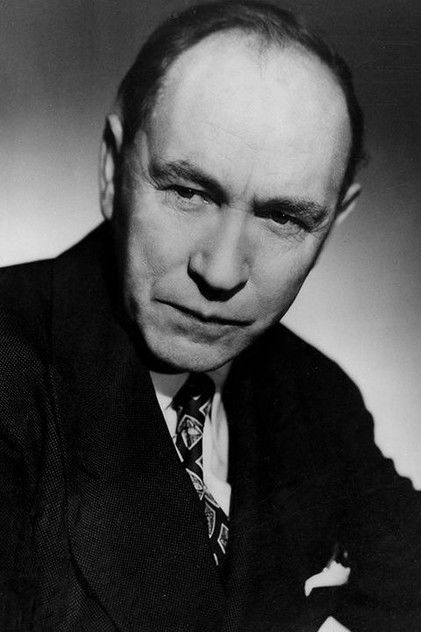
John F. Seitz
Camera
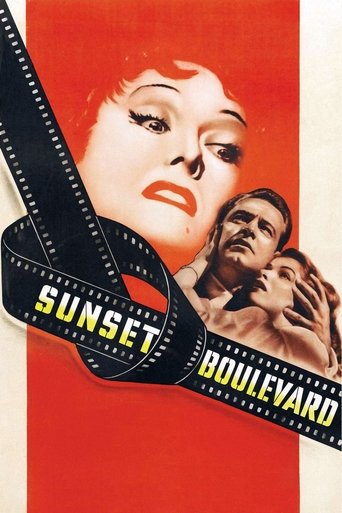
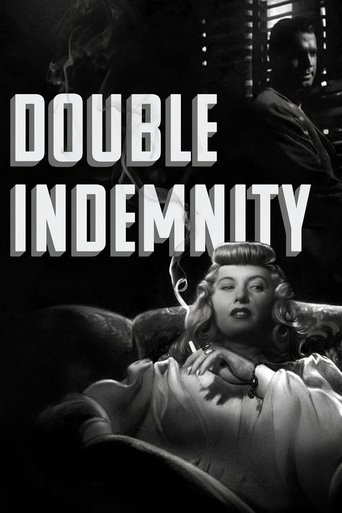
John Francis Seitz, A.S.C. (June 23, 1892 – February 27, 1979) was an American cinematographer and inventor. He was nominated for seven Academy Awards. Seitz's Hollywood career began in 1909 as a lab assistant with the Essanay Film Manufacturing Company in Chicago. He went to work as a lab technician for the American Film Manufacturing Company (known as "Flying A"), also in Chicago. In 1916, during the silent era, he established himself, achieving great successes with the Rudolph Valentino film The Four Horsemen of the Apocalypse (1921). Highly regarded by director Billy Wilder, Seitz worked with him on the film noirs Double Indemnity (1944), The Lost Weekend (1945), and Sunset Blvd. (1950), receiving Academy Award nominations for each. In 1929, he served a year as president of the American Society of Cinematographers (A.S.C.) for which he had been a member since 1923. The A.S.C. named its 2002 Heritage Award after Seitz. Besides one Golden Globe and seven Oscar nominations, he also received the Look Magazine Award for The Lost Weekend, the A.S.C. Award for Sunset Blvd., and was among the winners of the inaugural George Award from the George Eastman House for outstanding contributions to the art of cinema for the years 1915 to 1925. He retired in 1960 and devoted himself to photographic inventions, for which he held 18 patents. An example of one Seitz invention is the matte shot: a large painting is photographed separately and later added to a scene to expand it, add effects, and/or create a sense of depth in backgrounds. He was also noted for his innovations with low-key lighting, which enhanced the film noir style. A widower, he married screenwriter Marie Boyle in 1934 who raised his daughter Margaret Alice Marhoefer and later gave birth to a son, John Lawrence Seitz.

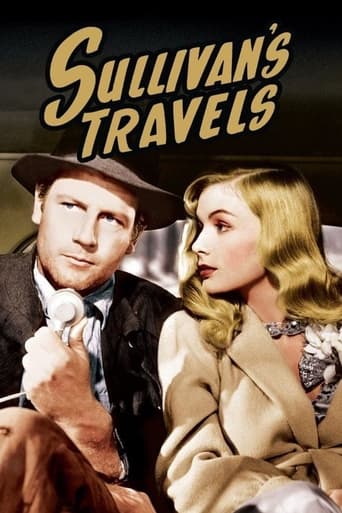
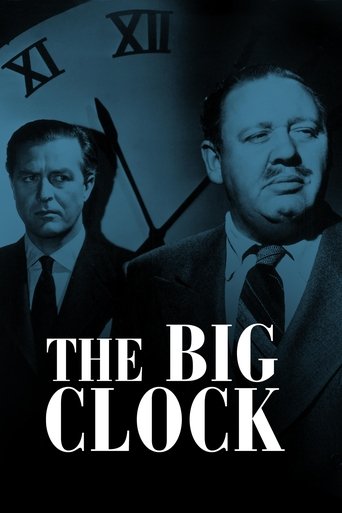
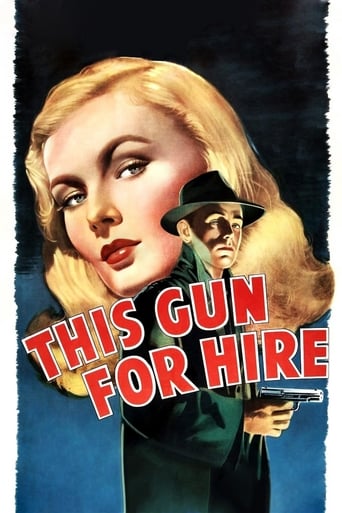
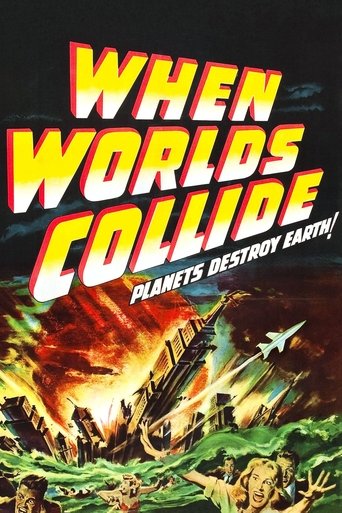
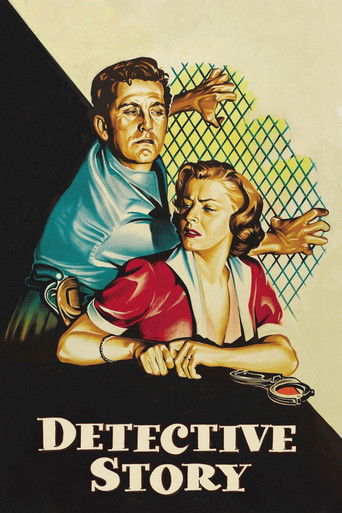

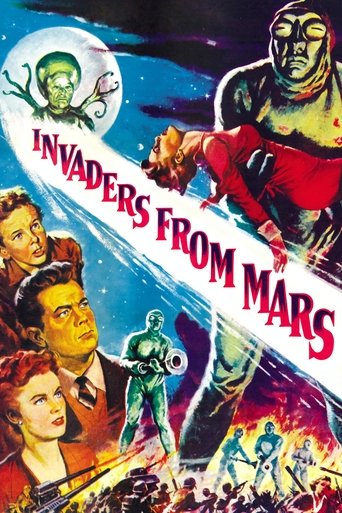

The Miracle of Morgan's Creek
Director of Photography
Age 52 (now 86)
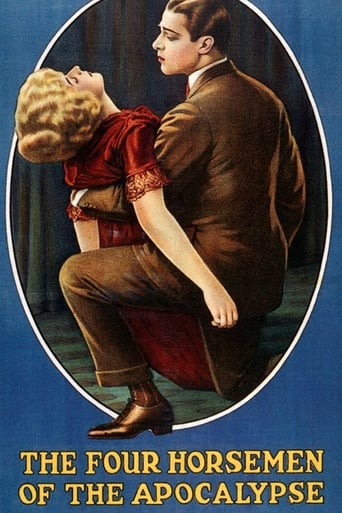
The Four Horsemen of the Apocalypse
Director of Photography
Age 28 (now 86)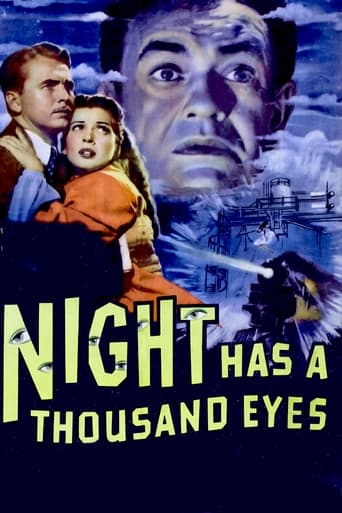
Night Has a Thousand Eyes
Director of Photography
Age 56 (now 86)
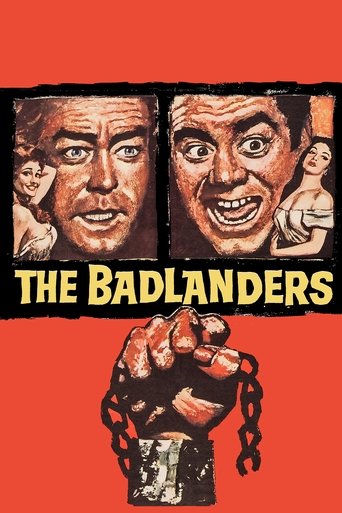
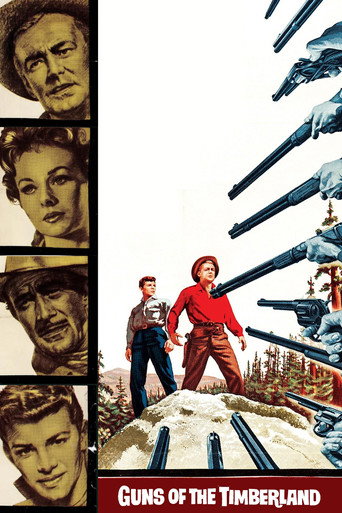
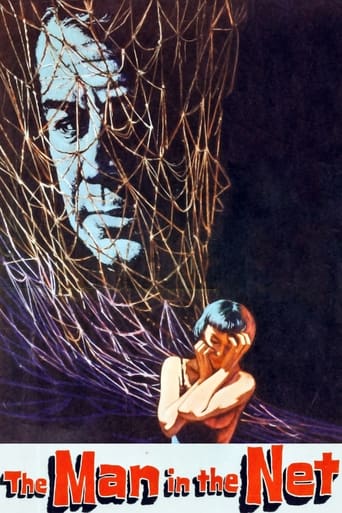
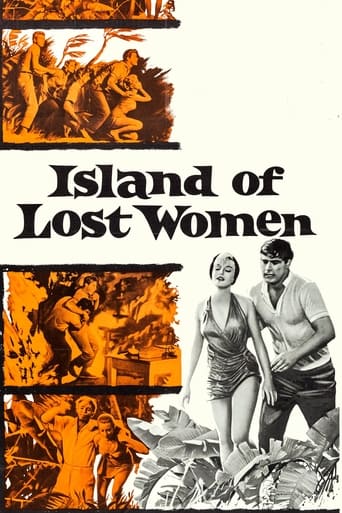
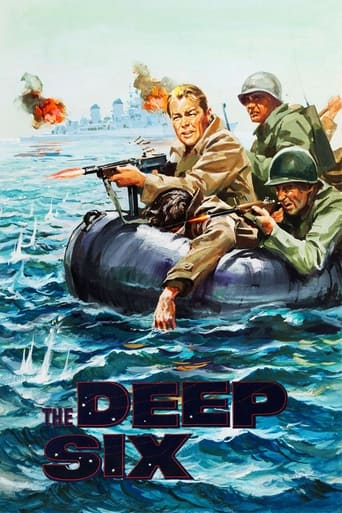
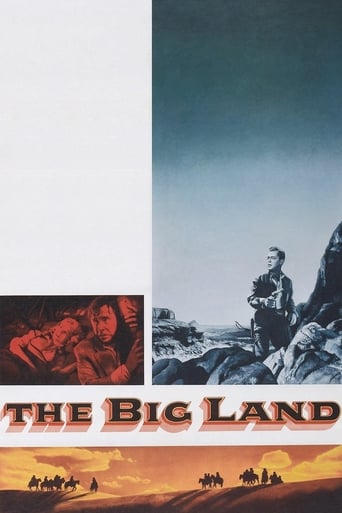
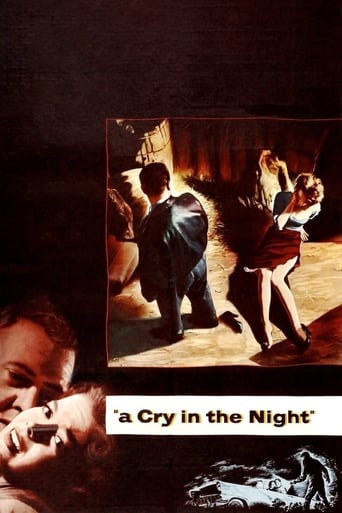
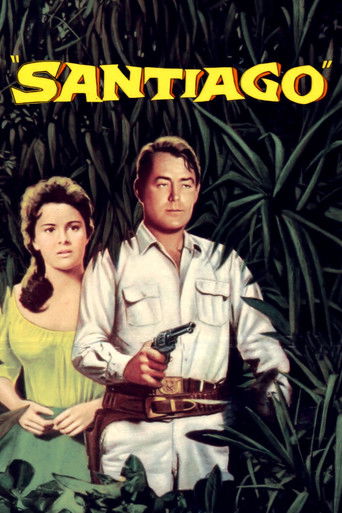

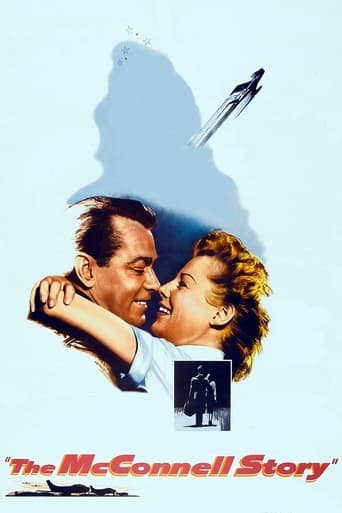


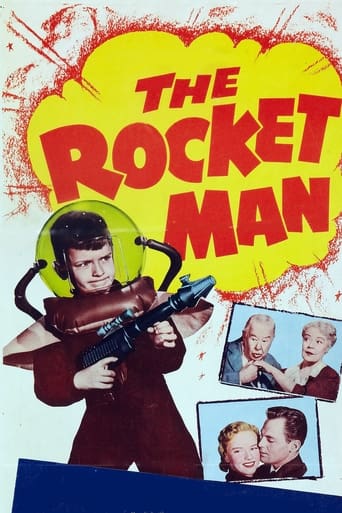



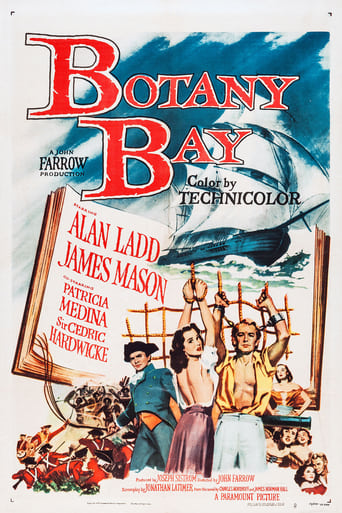
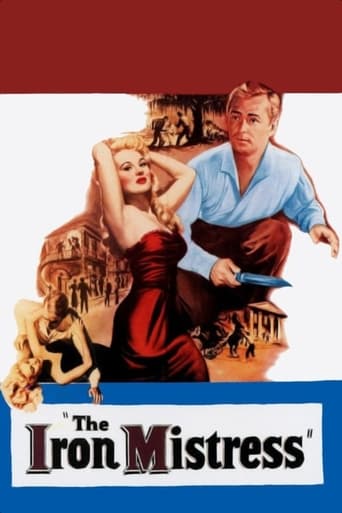
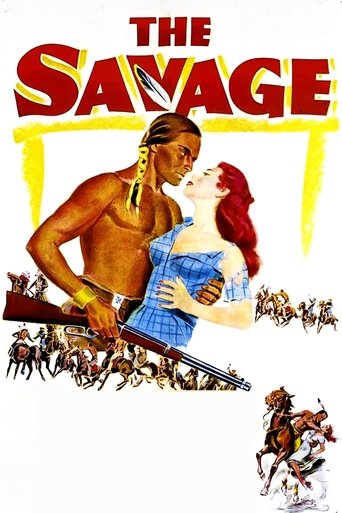
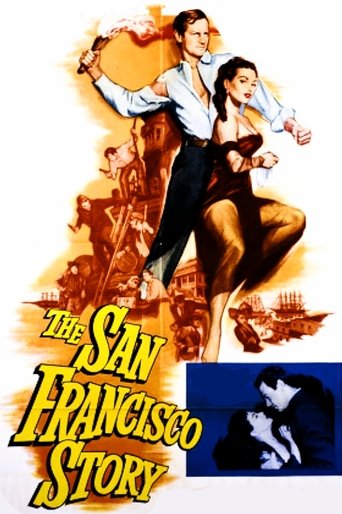
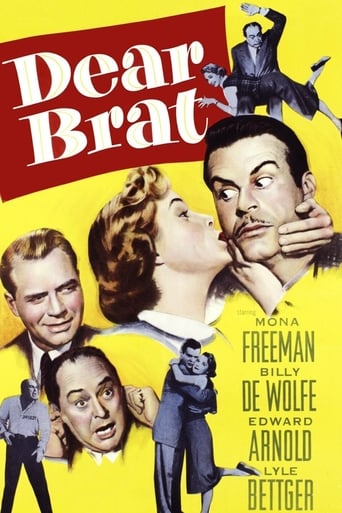
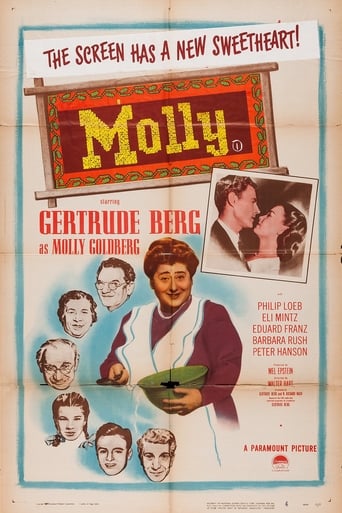
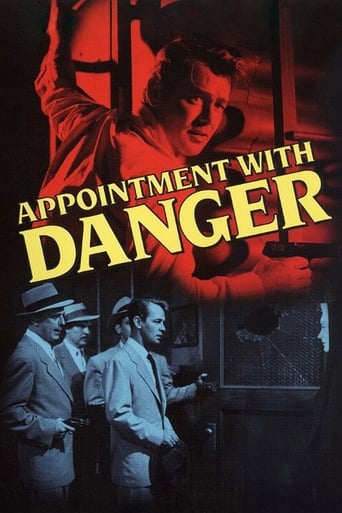
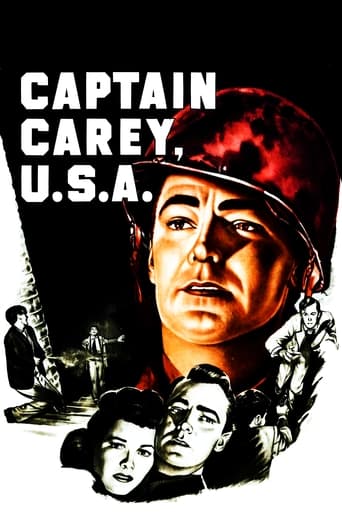
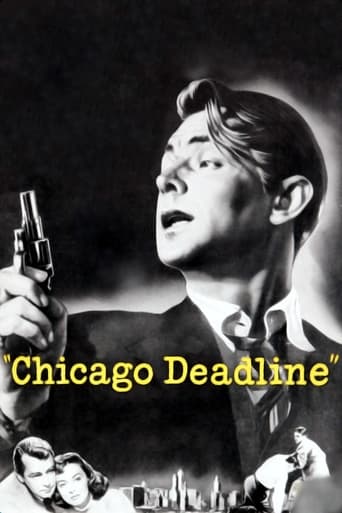
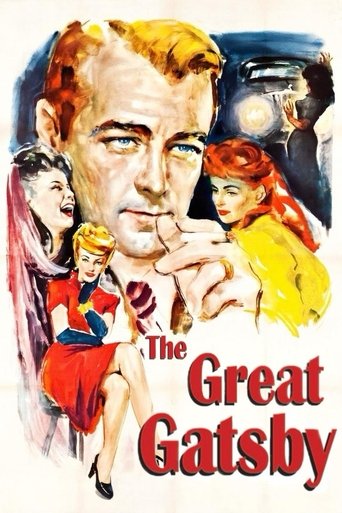
Night Has a Thousand Eyes
Director of Photography
Age 56 (now 86)
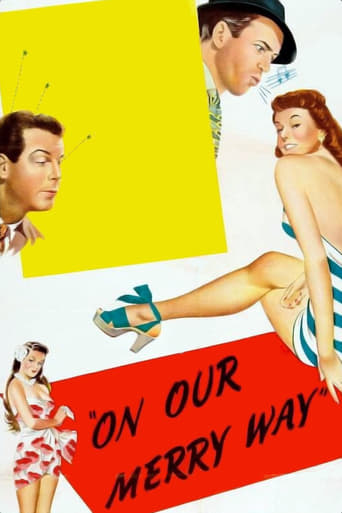
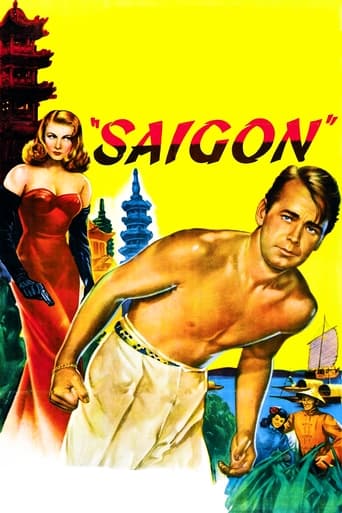
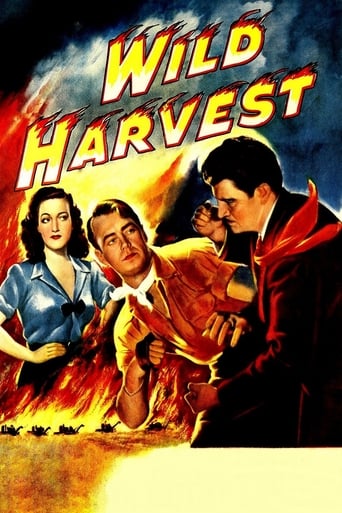
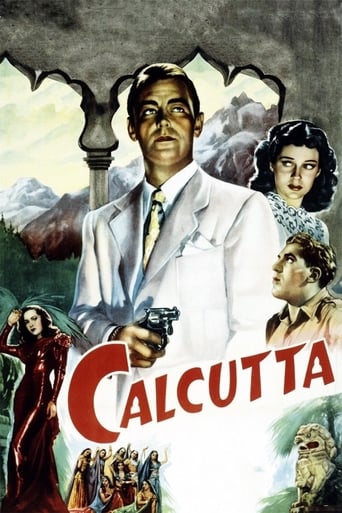
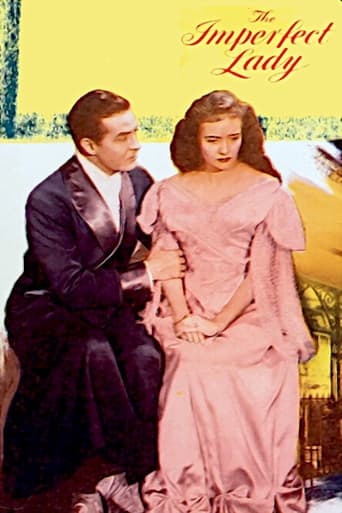
The Miracle of Morgan's Creek
Director of Photography
Age 52 (now 86)

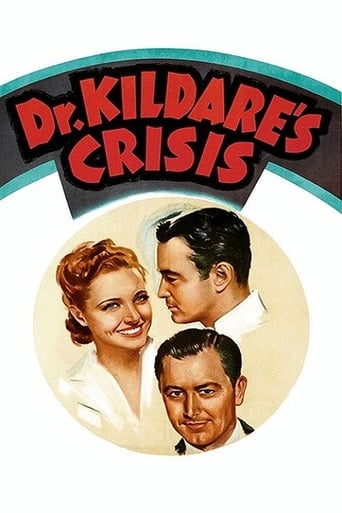


Dr. Kildare's Strange Case
Director of Photography
Age 47 (now 86)
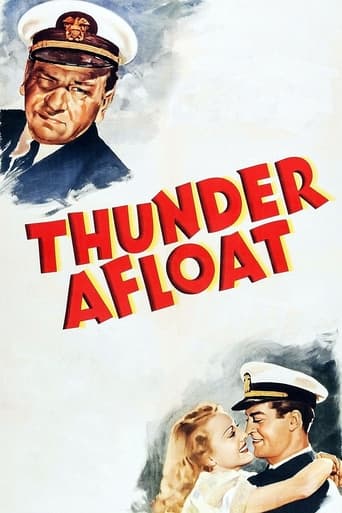

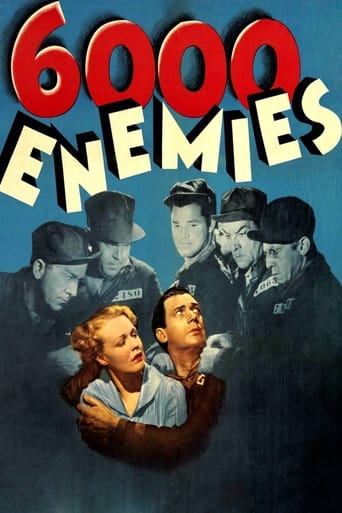
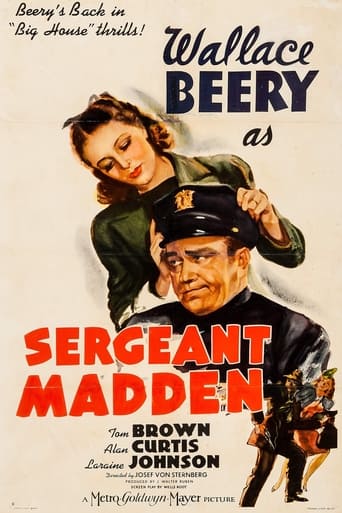
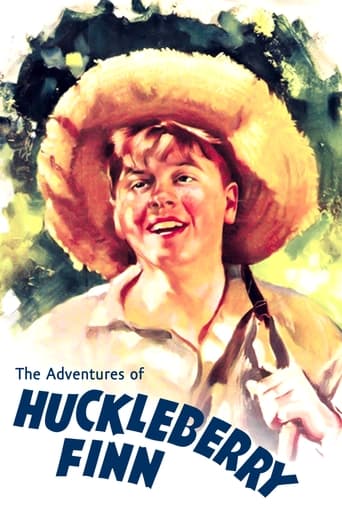
The Adventures of Huckleberry Finn
Director of Photography
Age 46 (now 86)
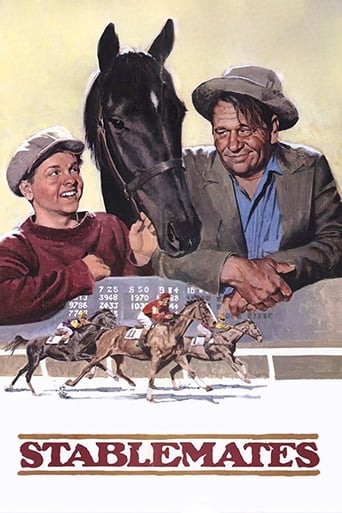

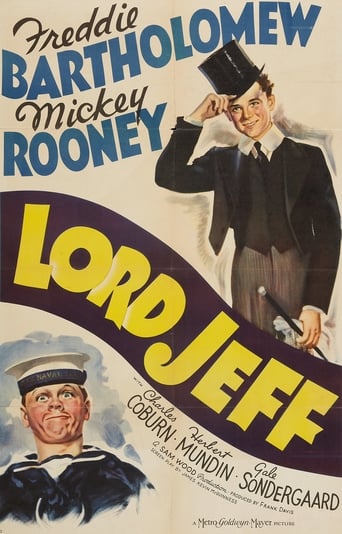
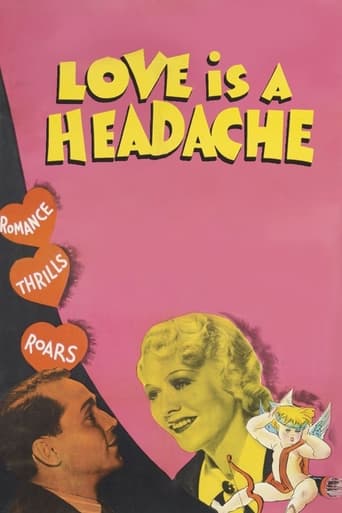
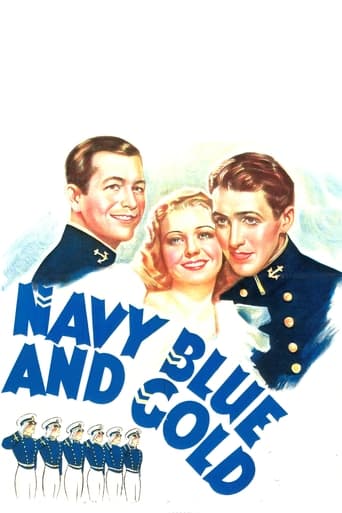


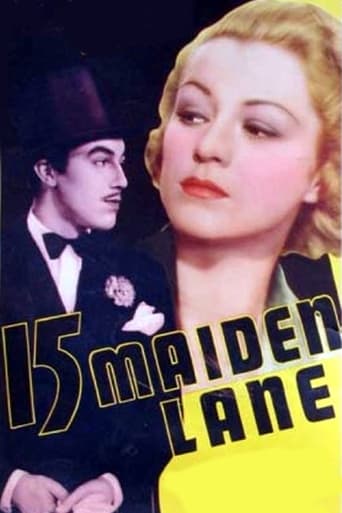

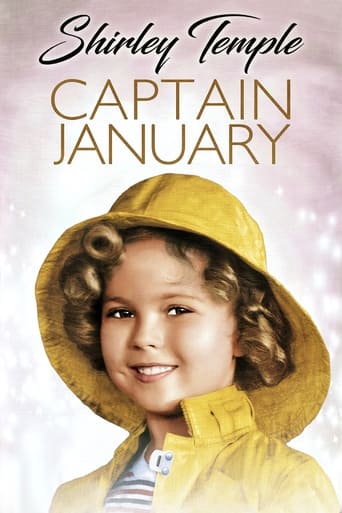







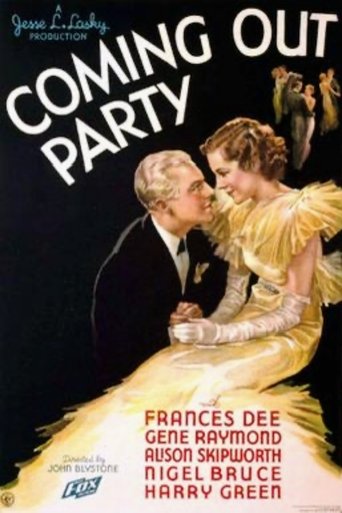
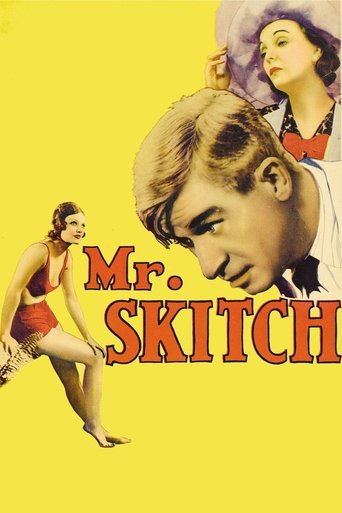
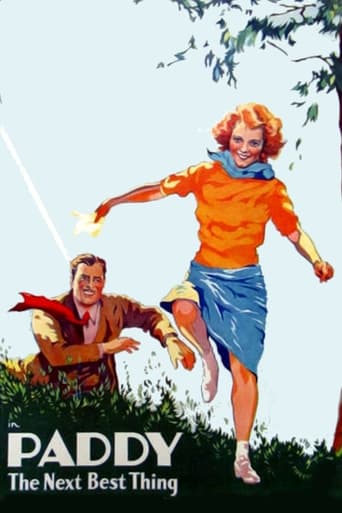
Paddy the Next Best Thing
Director of Photography
Age 41 (now 86)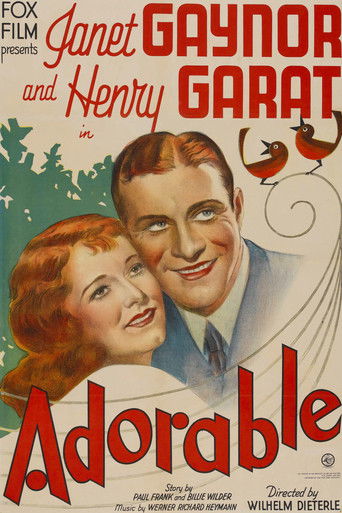
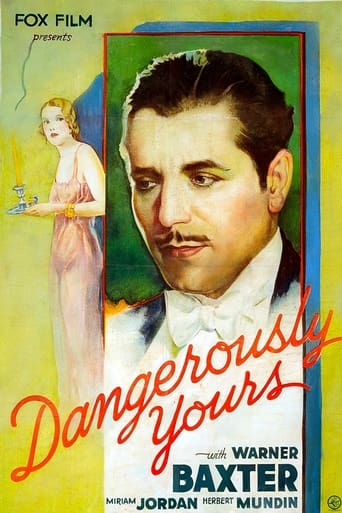

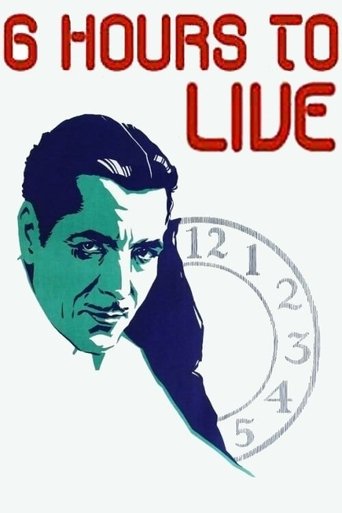


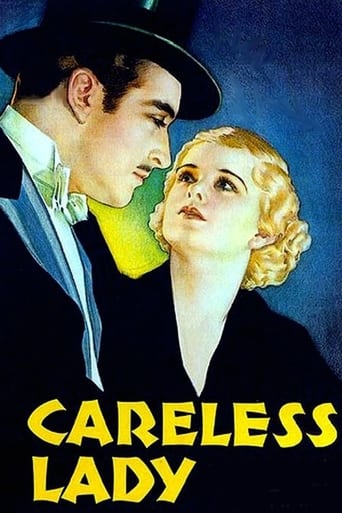
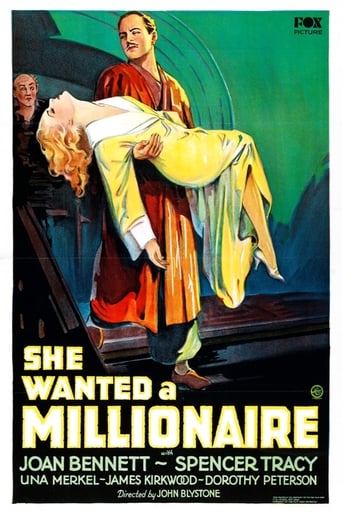
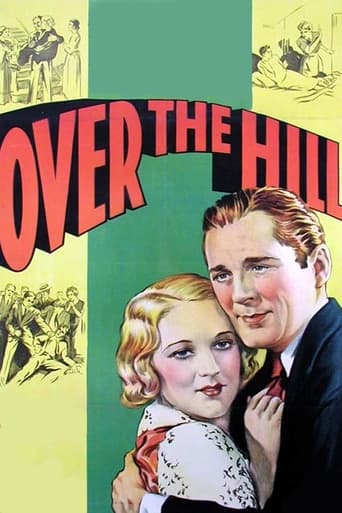
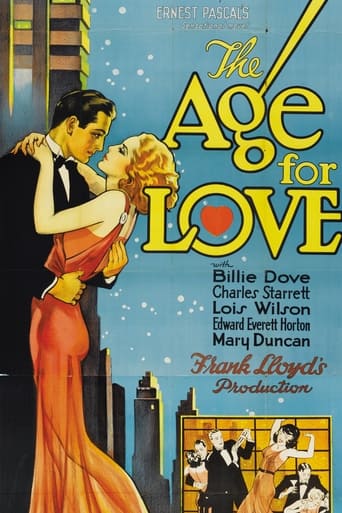
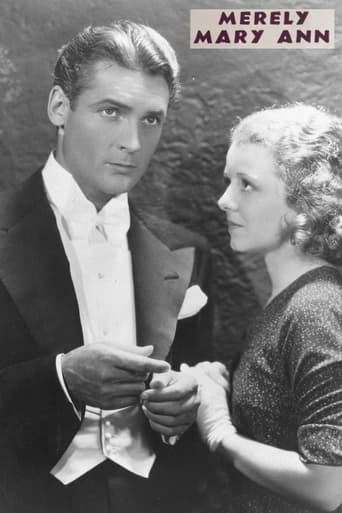

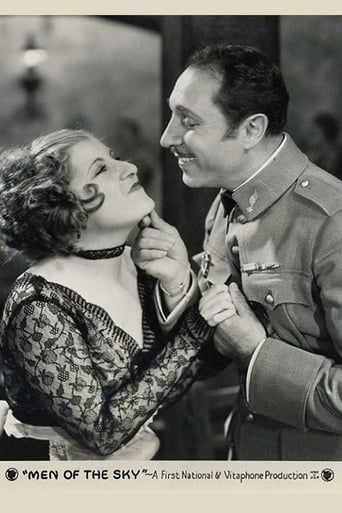




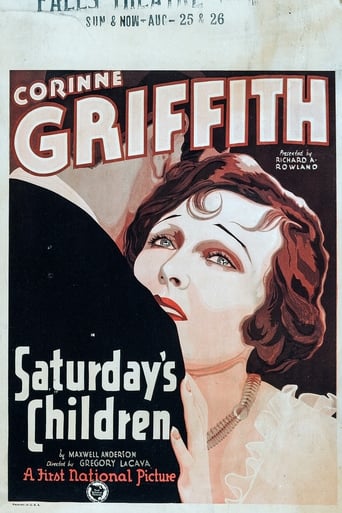

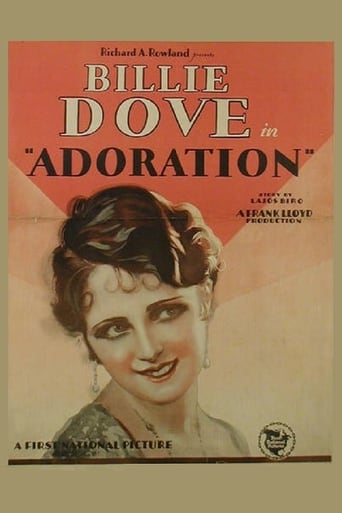
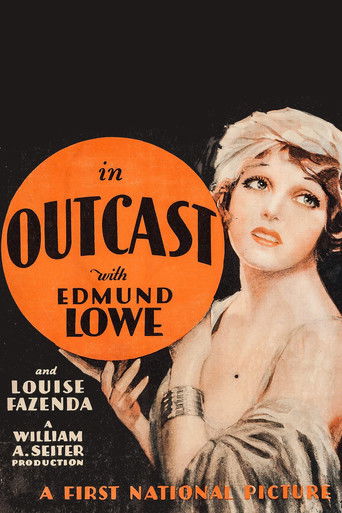



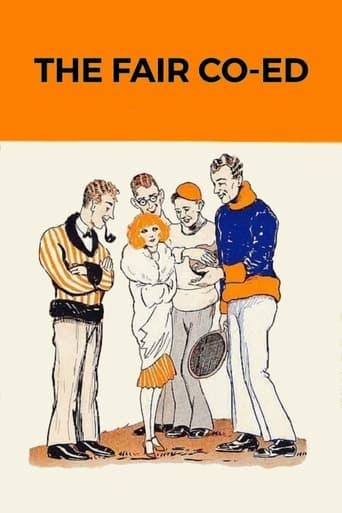
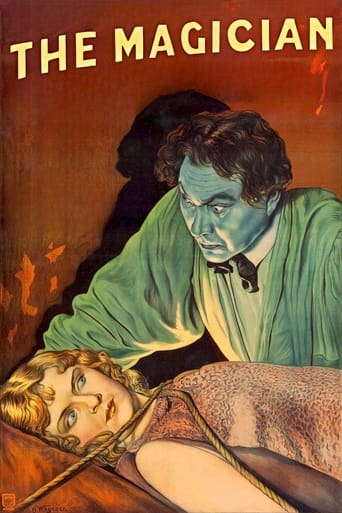
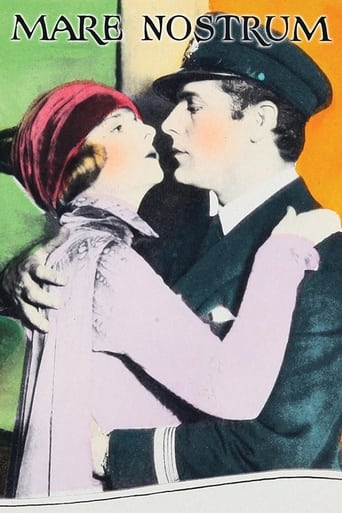
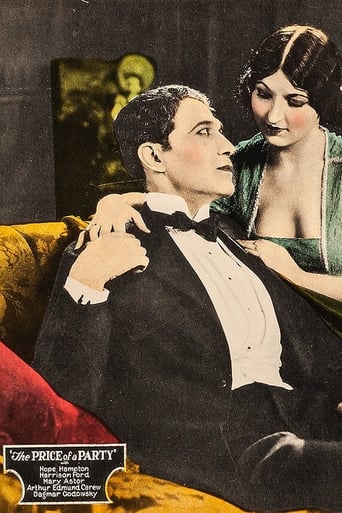

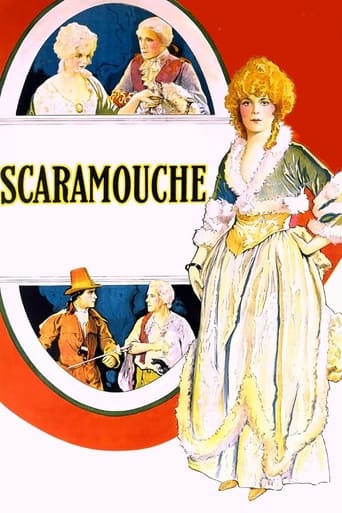
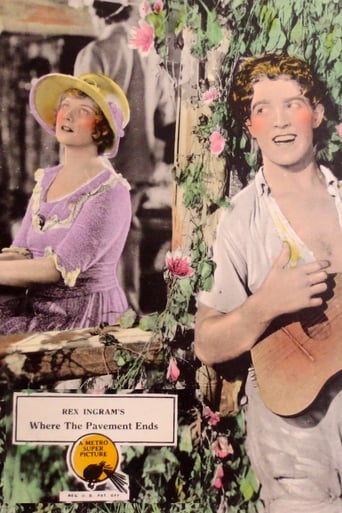
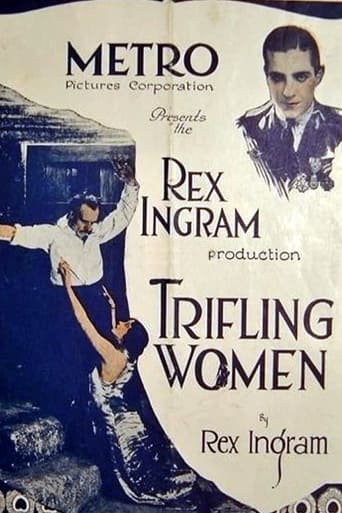
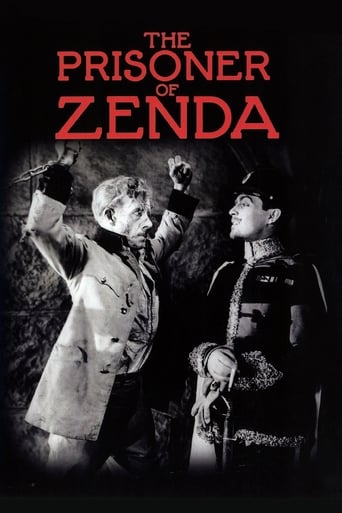

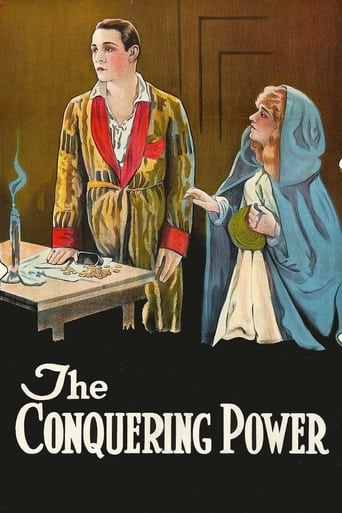
The Four Horsemen of the Apocalypse
Director of Photography
Age 28 (now 86)
The Ranger of Lonesome Gulch
Director of Photography
Age 23 (now 86)Gathering insights...
Also Known As
John Seitz, Jack Seitz, John Francis Seitz, John B. Sietz
IMDB
nm0005870