
Edward Cronjager
Camera
From Wikipedia, the free encyclopedia Edward Cronjager (March 21, 1904 – June 15, 1960) was an American cinematographer, whose career spanned from the silent era through the 1950s. He came from a family of cinematographers, with his father, uncle, and brother all working in the film industry behind the camera. His work covered over 100 films, and included projects on the small screen towards the end of his career. He filmed in both black and white and color mediums, and his work received nominations for seven Academy Awards over the span of three decades, although he never won the statue. He was the preferred director of photography of early film star Richard Dix, and served on several Academy of Motion Picture Arts and Sciences (AMPAS) committees, as well as being selected by the American Society of Cinematographers (ASC) to test new types of film stock. Cronjager pioneered several new techniques and types of cinematography, developing new camera angles in the 1920s, working on one of the earliest film noirs in the 1940s, and using CinemaScope in underwater photography in the 1950s.














Treasure of the Golden Condor
Director of Photography
Age 48 (now 56)
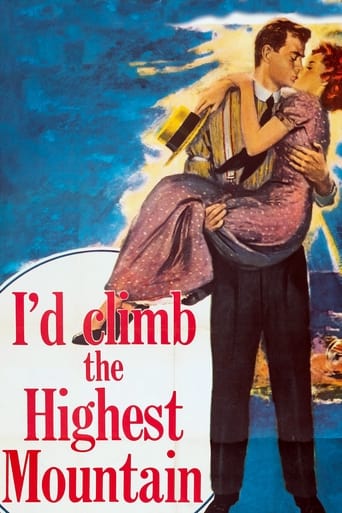
I'd Climb the Highest Mountain
Director of Photography
Age 46 (now 56)
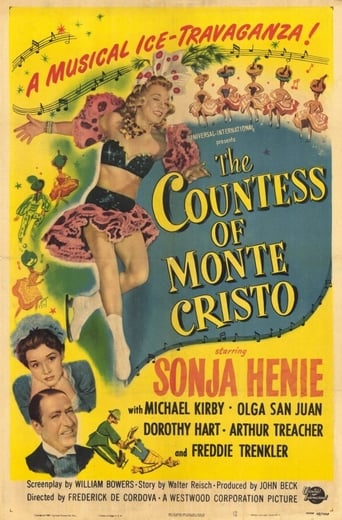
The Countess of Monte Cristo
Director of Photography
Age 44 (now 56)







Life Begins at Eight-Thirty
Director of Photography
Age 38 (now 56)





Everything Happens at Night
Director of Photography
Age 35 (now 56)

Heaven with a Barbed Wire Fence
Director of Photography
Age 35 (now 56)




































Gathering insights...
Also Known As
Edward Cronjaeger , Eddie Cronjager, Ed Cronjager
IMDB
nm0005676